
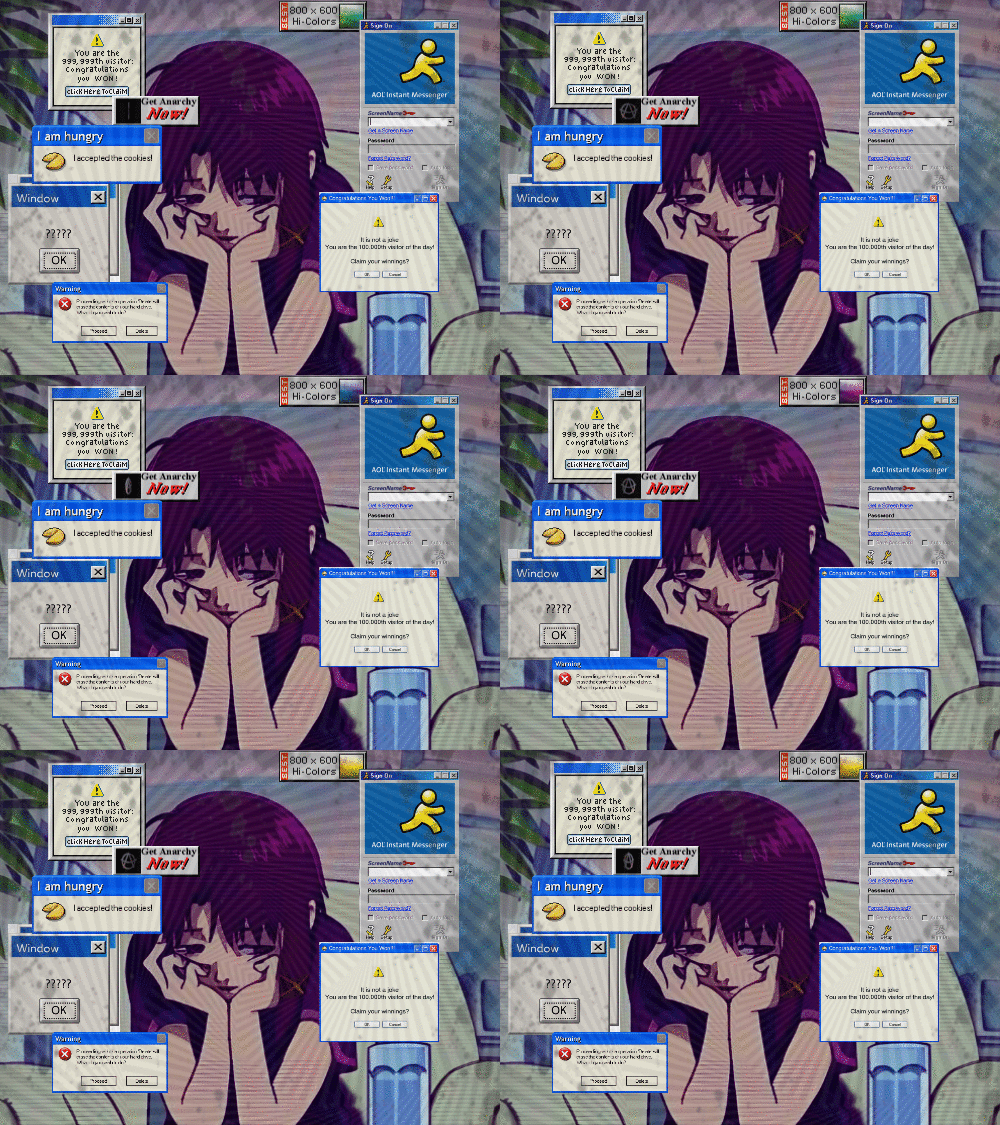
Webcore: Cyber-Aesthetic Digital Culture
Webcore is a digital aesthetic and subculture that revolves around the creative exploration of the web itself. It celebrates the architecture of websites, coding aesthetics, and the cyber-environments we navigate daily. Unlike purely musical or visual movements, Webcore merges interface design, internet nostalgia, and digital artistry.
The movement emerged in the late 2000s and early 2010s, born out of a desire to creatively explore the web beyond conventional design. Early internet enthusiasts and digital artists experimented with personal websites, Flash animations, and interactive HTML/CSS projects, turning online spaces into playful, cybernetic environments. These pioneers often anonymous or part of small online communities sought to push the boundaries of web aesthetics, mixing glitch effects, neon palettes, and experimental navigation to create immersive cyber-experiences.
Key characteristics of Webcore include:
- Bold, often neon, color schemes with digital gradients and glitch effects
- Pixel art icons, buttons, and web widgets
- Animated GIFs, cursor effects, and dynamic hover states
- Emphasis on interactive design, including scrolling animations, parallax, and layered content
- Nostalgic callbacks to early 2000s internet culture, web portals, and personal homepages
- Playful use of typography, including pixel fonts, monospaced coding-style text, and bold headers
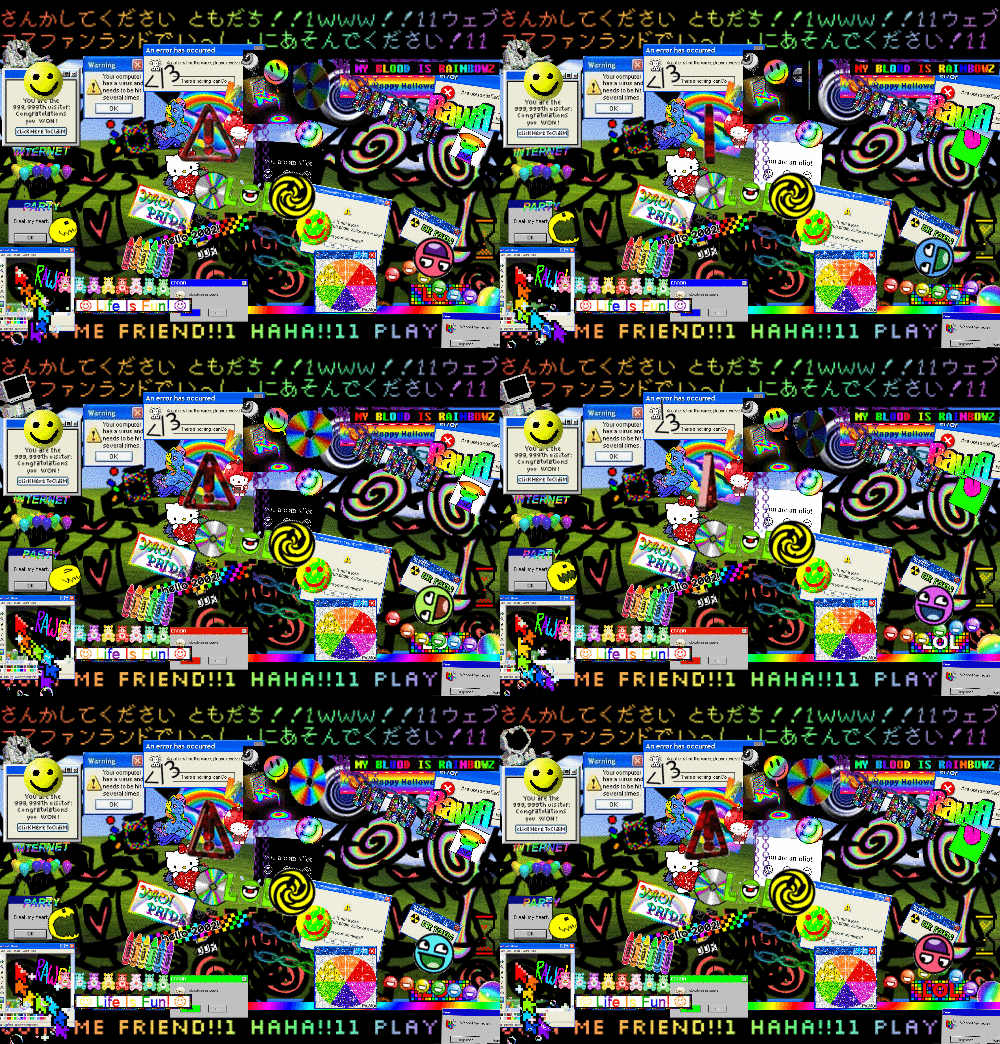
Webcore differs from Vaporwave, Synthwave, and Futuresynth in its focus and philosophy. While Vaporwave critiques consumer culture and Synthwave/Futuresynth celebrate retro-futurism, Webcore celebrates the internet itself its structures, interfaces, and playful cyber-nostalgia. It is more about digital environment exploration than music or futuristic imagination, often encouraging users to click, scroll, and explore interactive layers.
Some of the first notable experiments in Webcore came from independent web developers who created personal websites filled with interactive Flash widgets, animated GIFs, and experimental CSS layouts. These creators valued playfulness, curiosity, and the freedom to break conventional design rules, paving the way for a broader aesthetic that combines nostalgia for early web design with modern digital art sensibilities.
The aesthetic extends to blogs, experimental web apps, and digital art projects, where interactivity, visual coding style, and a cyberplayful user experience are emphasized. Retro computing, early browser quirks, and pixel animations are often integrated, creating a sense of discovery reminiscent of the early internet era.
Overall, Webcore captures the spirit of a time when the internet felt limitless, experimental, and full of hidden easter eggs. It is a celebration of the web as both a medium and a playground for creativity, bridging the past aesthetics of early web design with modern digital art experimentation. For enthusiasts of digital culture, Webcore offers a rich visual and interactive landscape that honors the chaotic beauty of the online world.
