
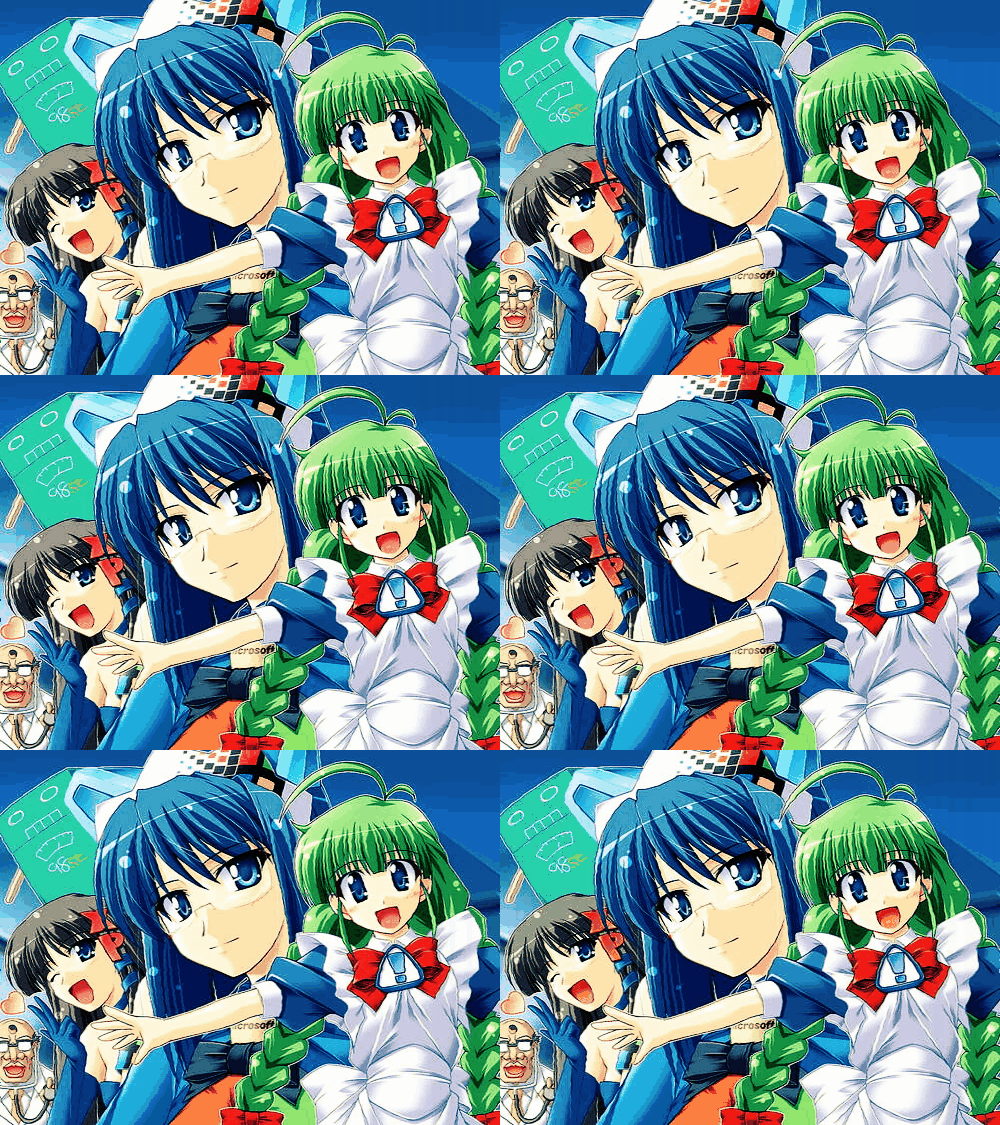
OS-tan: Anime Spirits of Operating Systems
OS-tan are personified characters (usually cute, anime-style girls or mascots) that represent operating systems, system software, or major software brands. The phenomenon originated as a fan culture joke in Japan and quickly evolved into a broad meme and fan-art movement. OS-tan mix tech humor, anthropomorphism, and otaku aesthetics to give faces, personalities, and stories to otherwise impersonal software.
The concept first appeared in the early 2000s within Japanese message boards and fan communities, where users would draw or write about "what if Windows (or other OSes) were people?" The term "OS-tan" combines "OS" (operating system) with the Japanese honorific "-tan" (a cutesy variant of "-chan"), signaling an affectionate, playful approach to software culture.
Key characteristics of OS-tan culture include:
- Anthropomorphic characters tied to specific OSes (Windows, Linux distros, macOS, retro systems)
- Stylized visual identities—costumes, color palettes, and iconography that reference system UIs and logos
- Character personalities that reflect OS reputation (e.g., stable vs. quirky, fast vs. resource-hungry)
- Fan art, comics, memes, and short animations that dramatize system interactions
- In-community lore: rivalries, friendships and mashups between different OS-tan
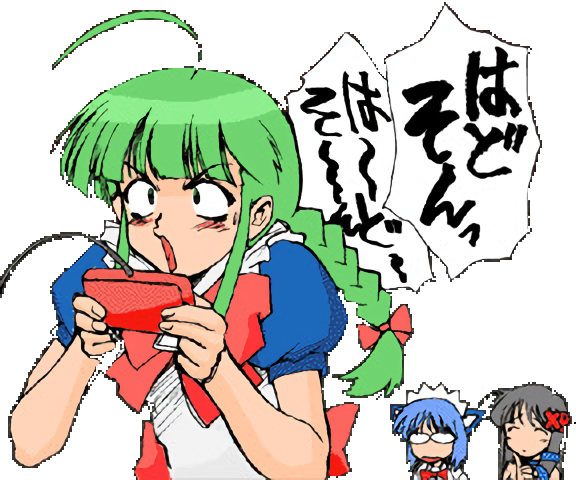
OS-tan is a mix of affectionate parody and creative worldbuilding. An OS known for crashes might become a clumsy, lovable character; a lightweight distro may be drawn as nimble and minimal; a corporate OS may be elegant and aloof. These character traits let fans explore technical stereotypes through narrative and visual humor.
How OS-tan relates to other digital aesthetics: while Vaporwave and Webcore manipulate interfaces and nostalgia for cultural critique or playful reconstruction, OS-tan works on the level of character and story. OS-tan often borrows visual cues (icons, system colors, pixel art) from retro UI aesthetics and Webcore design, and occasionally appears in crossover fan art with Futuresynth or Synthwave themes.
Notable early examples and influences:
- Anonymous fan illustrations on Japanese boards (2channel / Futaba Channel) and early imageboards
- Fan projects like "Windows-tan" artworks and small webcomics that popularized the idea outside Japan
- Community hubs and image collections that catalog OS-tan designs for dozens of systems
How to create your own OS-tan (a short guide):
- Pick an OS or software to personify and list its traits (ecosystem, strengths, quirks).
- Translate UI assets into costume details—buttons become brooches, progress bars become sashes, tray icons become accessories.
- Choose a color palette tied to the OS branding (brand colors, default wallpapers, icon accents).
- Decide a personality that matches technical reputation (stable, playful, bloated, experimental).
- Share as fan art, short comics, or character profiles; encourage mashups and crossovers with other aesthetic movements.
Cultural notes: OS-tan is mostly fan culture and parody rather than commercial branding. Because it is rooted in fandom, work ranges from silly memes to highly polished character art. The movement exemplifies how tech communities humanize tools and build playful mythologies around software, turning interfaces into characters and system logs into stories.
Overall, OS-tan is a charming intersection between tech culture and fan creativity—an aesthetic practice that turns operating systems into characters we can relate to, critique, and celebrate.
