
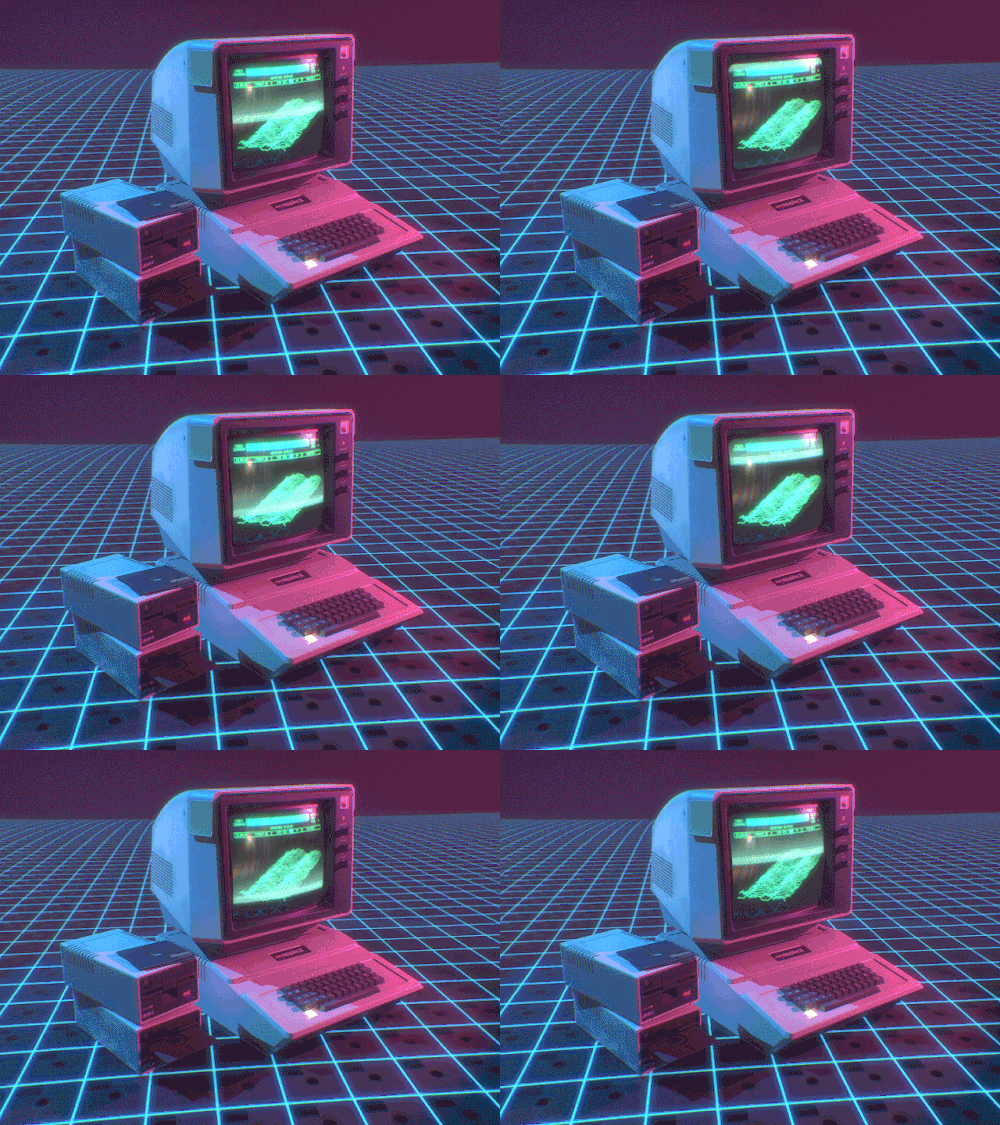
Futuresynth: Retro-Digital Future
Futuresynth is a digital cultural and aesthetic movement that combines retro-futuristic music, visual art, and technology-inspired design. Unlike some other retro aesthetics, Futuresynth is not limited to music; it encompasses digital graphics, user interfaces, websites, and interactive experiences inspired by the imagined future of the 1980s and 1990s.
The movement emerged alongside synthwave and retrowave, drawing heavily on neon colors, glitch effects, pixel art, and animated GIFs. It is influenced by early video games, VHS media, arcade culture, and the visual language of early computing systems.
Key characteristics of Futuresynth include:
- Neon and pastel color palettes with glitch overlays
- Pixel art icons, interfaces, and sprites
- Animated GIFs and visual loops reminiscent of old computers and arcade machines
- Cyber-fantasy atmospheres mixing nostalgia and futuristic imagination
- Integration of retro user interfaces, reminiscent of Windows 95/98 and DOS systems
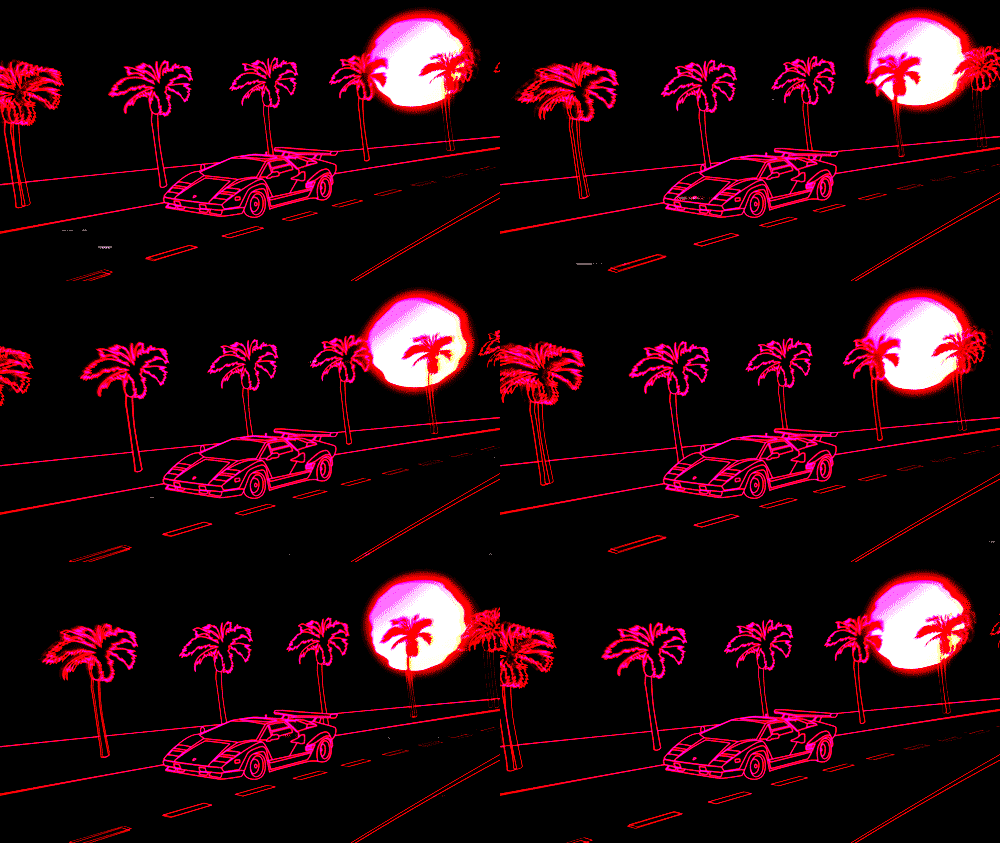
Futuresynth differs from Vaporwave in several ways. While Vaporwave emphasizes nostalgia, critique of consumerism, and slower, more ambient music, Futuresynth aims for a more energetic and immersive aesthetic experience. It celebrates the retro-futuristic vision of the past, imagining a high-tech future through the lens of the 1980s and 1990s.
The aesthetic is also closely tied to technology culture. Interfaces, icons, and even fictional operating systems are often anthropomorphized or stylized, forming a visual language that blends nostalgia, sci-fi fantasy, and playful experimentation. This approach has influenced modern web aesthetics and digital art communities, where retro interfaces and glitch art are celebrated as part of a broader cyber-nostalgic movement.
Futuresynth is more than a visual or musical style; it is a cultural mindset that bridges the past and the imagined digital future. Its influence can be seen in retro-themed websites, digital art projects, synth-inspired music videos, and interactive experiences that recreate the charm of early computing environments.
Overall, Futuresynth captures the spirit of a time when technology felt magical, computers were mysterious, and the future seemed full of neon possibilities.
